Wellness
The Restorative Power of a Mineral Bath
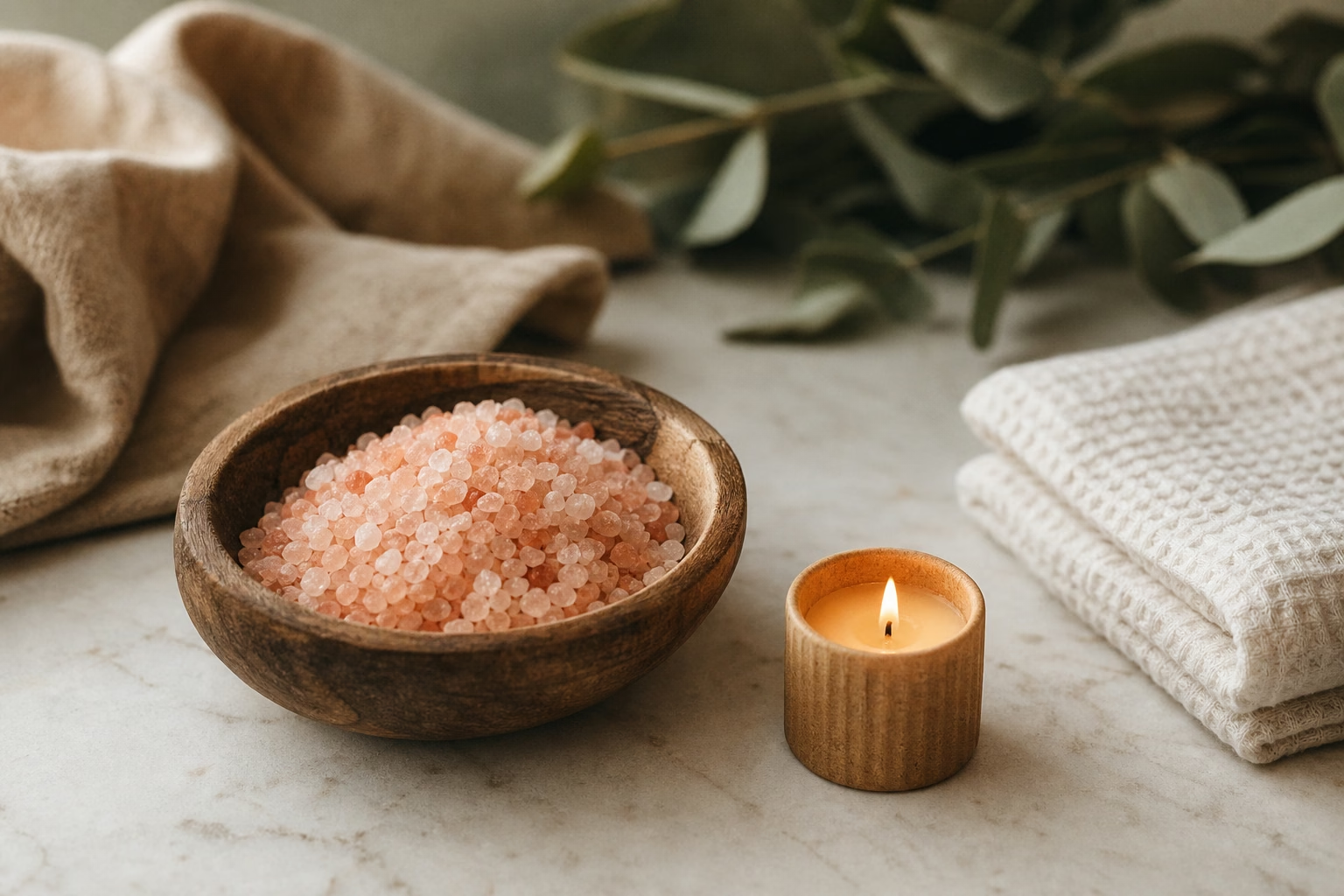
The practice of mineral bathing is older than recorded history. Hot springs in Scandinavia were used therapeutically long before the first spas emerged. What modern science has done is provide some explanation for what people already knew from experience: that spending time in warm, mineral-rich water produces measurable changes in muscle tension, cortisol levels, and perceived stress.
You do not need a natural hot spring to access these effects. Adding the right concentration of mineral salts to a home bath approximates the conditions of a therapeutic soak well enough to produce real results, particularly for muscle recovery and sleep preparation. The key is understanding what the different salts offer and how to use them.
Epsom vs Himalayan vs Dead Sea
These three dominate the bath salt market, and they are genuinely different products.
Epsom salt is magnesium sulfate. The most consistent evidence for bath salt use involves magnesium - specifically the possibility that magnesium is absorbed transdermally (through the skin) during bathing. The research is not settled, but there is plausible evidence and widespread clinical use for muscle recovery, headache relief, and sleep quality. Epsom salt is cheap, widely available, and the most functional choice for therapeutic use.
Himalayan pink salt is sodium chloride with trace minerals - the pink color comes from iron oxide and other minerals present in the Khewra salt deposits in Pakistan. It contains about the same sodium content as regular table salt, with very small amounts of calcium, potassium, and magnesium. The trace minerals are real but present in concentrations too small to have measurable physiological effects. Himalayan salt adds a pleasant texture and appearance to bath products and has a gentle softening effect on water without irritating sensitive skin.
Dead Sea salt is harvested from the Dead Sea, which has a salinity roughly ten times that of ocean water. It is high in magnesium, potassium, calcium, and bromide, and has clinical evidence for skin conditions including psoriasis, eczema, and dry skin. If skin health is your primary concern, Dead Sea salt is the more targeted option, though it is significantly more expensive than Epsom.
What the Research Shows
The most reliable evidence for bath salt use is in the area of muscle recovery. Athletes have used Epsom salt baths for decades, and studies on delayed-onset muscle soreness (DOMS) show consistent subjective improvements in pain and stiffness following high-intensity exercise. The mechanism is debated - it may be the magnesium absorption, the heat itself, or the combination of both.
For sleep, the evidence is more clearly tied to temperature than to mineral content. A bath at 40 to 42 degrees Celsius taken 90 minutes to two hours before bedtime triggers a core body temperature drop as you cool after the bath, which accelerates the physiological onset of sleep. This effect is robust and reproducible. Adding Epsom salts to this bath adds magnesium, which itself plays a role in melatonin production and sleep regulation.
The bath is not the luxury. The bath is the interval where recovery actually happens - the luxury is having built that interval into your day.
Temperature and Timing
The temperature range that produces the most consistent results is 38 to 42 degrees Celsius. Below 38 degrees, the vasodilation and muscle relaxation effects are minimal. Above 42 degrees, extended soaking becomes uncomfortable and increases cardiovascular load, which is a concern for anyone with heart conditions.
Duration matters: 20 minutes is the minimum useful soak time. Under that, the core temperature does not change enough to produce the cooling response needed for sleep preparation. 30 minutes is a comfortable target for most people. Beyond 45 minutes, you risk dehydration and excessive skin drying without additional benefit.
Timing relative to sleep: the 90-minute window before bed is based on research showing that the body temperature drop following an evening bath aligns with the temperature drop associated with sleep onset. A bath immediately before bed actually delays sleep for some people, because core temperature is still elevated.
Creating Your Evening Ritual
The functional minimum: 300 to 500 grams of Epsom salt dissolved in a hot bath, 20 to 30 minutes of soaking, followed by light hydration and no screens for 30 minutes. This alone will produce noticeable effects on sleep quality within a week of consistent use.
To build this into a genuine ritual rather than a functional routine, layer sensory elements. A few drops of lavender or chamomile essential oil added to the bath (not to the water directly - add to the salts first, or to a carrier oil that disperses the fragrance through the water). If you are new to working with essential oils, a dilution calculator helps you get the drop count right before mixing - useful both for bath blends and for any topical application you prepare alongside your bath ritual. A single candle rather than overhead lighting. A warm towel waiting on the radiator. The ritual cues your nervous system to shift modes before you even get into the water.
Blends for Different Purposes
For muscle recovery after physical activity: 400g Epsom salt, 100g Himalayan salt, 5 drops peppermint oil, 5 drops eucalyptus oil. The menthol compounds in peppermint provide a cooling sensation that contrasts pleasantly with hot water and has mild analgesic properties.
For sleep preparation: 300g Epsom salt, 150g Dead Sea salt, 8 drops lavender oil, 3 drops cedarwood. This blend combines the magnesium of Epsom with the skin-softening properties of Dead Sea salt and a fragrance combination documented to reduce heart rate and promote calm.
For skin focus: 200g Dead Sea salt, 100g Himalayan salt, 2 tablespoons sweet almond oil, 5 drops rose geranium. The carrier oil creates a mild moisturizing layer on skin as you step out of the bath. Use this blend in the morning rather than as a sleep preparation ritual - the carrier oil and brighter fragrance profile suit daytime use.
Start any new salt blend with a smaller amount and check for skin reaction, particularly with Dead Sea salt which has higher mineral concentrations. For sensitive skin, 200g is a reasonable starting amount before scaling to full concentration.